
To edit images in ChatGPT, upload or open the image, state what must change and what must stay fixed, select a region when the edit is local, choose the target aspect ratio, then review the full result before another pass. Change one variable at a time. Save only a version that preserves identity, product geometry, text and brand details.
That is the useful workflow behind my LinkedIn post about ChatGPT Images 2.5. The post drew 211 reactions and 106 comments. It summarized five launch claims, including faster generation and tighter editing. Those claims come from OpenAI. They do not prove that every real asset will survive an edit or that one prompt is ready for production.
 in
in
“OpenAI dropped ChatGPT Images 2.5. The edits are wild. Here are the 5 biggest changes from the launch:”
How to Edit Images in ChatGPT in Six Steps
- Start with the cleanest source image you can legally use.
- Write an edit contract that separates changes from invariants.
- Choose a direct edit, selection, comment or aspect-ratio change.
- Describe one visible change with precise location and boundaries.
- Compare the result with the source before adding another request.
- Export only after a full-size and delivery-size quality check.
The loop is simple because the hard part is judgment. A fluent request can still alter a face, logo, label or product edge that you never mentioned. The fastest workflow makes every accepted version easy to compare with its source. If you cannot explain why a result passed, you have an attractive draft rather than a repeatable production process.
1. Start With the Right Source
Use the highest-resolution original available. Avoid screenshots, social thumbnails and files that already contain compression artifacts. A small input gives the editor less real detail to preserve. Enlarging the final file can add pixels, but it cannot recreate a faithful eye, label or material texture that disappeared before the edit began.
Check ownership and permission before upload. A product photo, employee portrait or client asset can contain information that should stay inside an approved account and workflow. Keep the original outside the editing session, give it a stable filename and record where it came from. That copy becomes the baseline for every later comparison.
2. Write an Edit Contract
Split the request into four fields: change, preserve, output and reject. Change names the visible modification. Preserve lists identity, pose, product geometry, copy, logo placement, lighting and composition. Output defines ratio, size and file purpose. Reject names defects that make the result unusable, such as altered text, extra fingers, warped packaging or a cropped subject.
Write exact copy inside quotation marks. Name the object and its position. A useful request sounds like this: replace only the wall behind the product with a warm gray studio surface; preserve the bottle, label text, reflections, camera angle and shadow; return a 16:9 image; reject any version that changes the logo or cap shape.
OpenAI's current Images in ChatGPT guide documents uploads, direct edits, area selection, aspect-ratio changes and saving. It also warns that a highlighted edit can extend beyond the selected area.
3. Choose the Smallest Editing Surface
Use a direct conversational edit when the whole image needs one broad change, such as a new environment or visual style. Use the selection tool when one local object or area should change. Name the selected region again in the instruction because the highlight is guidance. It is never a mathematical mask.
Comments are useful for review because they attach feedback to a visible point. Sketch is useful when spatial intent is hard to describe with words. Templates help when the starting format matters more than an existing source. Each surface solves a different communication problem. Pick the one that makes the boundary clearest.
For a production asset, begin with the smallest possible scope. Changing a background should leave the subject alone. Replacing one line of copy should leave typography hierarchy and layout intact. A request that combines background, pose, outfit, lighting and text gives the model five reasons to rebuild details you wanted to preserve.
4. Control Aspect Ratio Before the Final Crop
Choose the delivery ratio before you polish details. A vertical source forced into a wide frame can lose the subject or become a portrait sitting inside blurred filler. Ask for native outpainting into the destination ratio. Then state the safe area for faces, text and products so the final crop has room around every critical element.
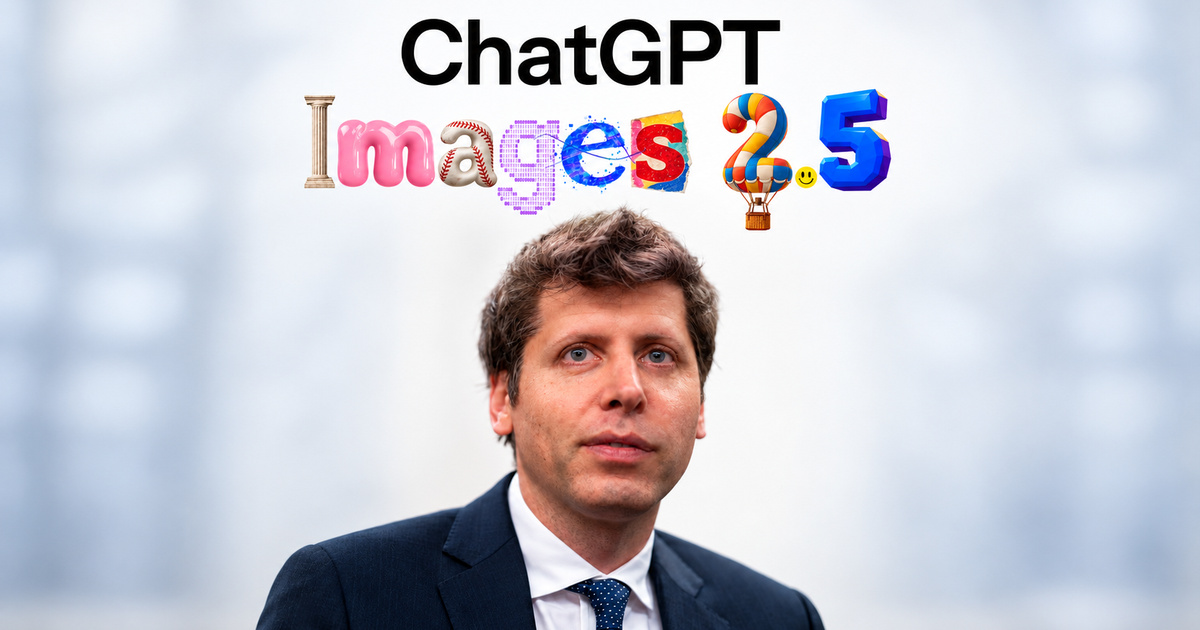
The hero for this article started as the original 1122 by 1402 portrait from the source post. I used that exact image as the sole reference, extended it into a native 1672 by 941 composition, and then produced the 1200 by 630 delivery file. The final image keeps the subject and complete title inside the frame without an inset or letterbox.
Inspect the generated canvas before resizing. Look at both side extensions, the transition around hair and shoulders, repeated background shapes and any new objects near the edges. A clean center can distract you from a broken outpaint. The destination crop should reduce dimensions. It should never hide a defect created during expansion.
5. Change One Variable per Pass
Save a baseline and number every accepted version. Request one change. Compare it with the previous image and the original. If it passes, that version becomes the new baseline. If it fails, return to the last accepted file. Continuing from a damaged edit teaches the model to preserve damage across later turns.
OpenAI says Images 2.5 is more reliable across multiple edits and more likely to retain earlier changes. Treat that as a product capability claim. Your own acceptance rate still depends on the source, request and subject. A five-pass product edit may behave differently from a background replacement on a portrait.
6. Run a Real Quality Check
- Compare face, hair, hands and body proportions with the source.
- Read every word, number, logo and product label at full size.
- Check edges, reflections, shadows and object contact points.
- Confirm the requested aspect ratio and safe margins.
- View the image at the exact size used on the site or ad.
- Record the prompt, source, accepted defects and final filename.
Zoomed review finds spelling and anatomy defects. Delivery-size review finds a different class of failure: text that becomes unreadable, a face that feels too small, or a card crop that cuts the subject. Both views matter. A technically large image can still fail its actual job when compressed into a social card or mobile screen.
Keep the source and final file together with the edit contract. If the asset changes later, the next reviewer can see what was protected and which defect was accepted. This also stops a team from treating the newest file as the approved one simply because it has the highest version number.
What ChatGPT Images 2.5 Actually Changes
OpenAI says the model improves reference fidelity, local editing, multi-turn consistency, lighting and texture. The company reports generation latency up to 50 percent lower than Images 2.0. It also introduced comments, Sketch and templates in ChatGPT. These additions reduce the distance between a visual brief and a targeted revision.
The API adds Flare and Sunburst. OpenAI positions Flare as the faster default for most applications and Sunburst as the route for detailed premium work with tighter control. That is useful product guidance. Teams should still compare accepted output, correction time, latency and total cost on their own assets before choosing a default.
The official ChatGPT Images 2.5 announcement contains the latency claim, editing improvements, feature list and the roles OpenAI assigns to Flare and Sunburst.
Where Image Editing Still Breaks
Selections can spill beyond their highlight. Text can become almost correct. A face can stay recognizable while small proportions change. Product reflections can stop matching the light. Repeated edits can preserve the wrong detail with growing confidence. A strong result on a launch example cannot remove these risks from a different brand asset.
Real people create another boundary. OpenAI's safety card says higher realism can make convincing fabricated imagery easier to create. Permission, disclosure and platform rules still matter after a technically successful edit. Preserve provenance, avoid misleading context and keep a human decision before publishing identity-sensitive work.
OpenAI's Images 2.5 system card describes the safety stack, heightened realism risks and the limits of its evaluations.
Run a Three-Asset Production Test
Choose one portrait, one product photo and one text-heavy creative. Give each asset five realistic edits. Record how many pass on the first attempt, how many need repair, the minutes of review and the defects that recur. For API work, add latency and total cost. Three different asset types reveal more than twenty variations of the same easy image.
Define acceptance before the test. A portrait passes when identity and anatomy survive. A product passes when geometry, label and reflections survive. A creative passes when every character and layout relationship survives. Count accepted outputs instead of attractive outputs. That turns a demo into a buying and workflow decision.
Use the AI model evaluation framework to define representative cases, acceptance rules, review time and cost before comparing image routes or providers.
The Decision Rule
Use ChatGPT image editing when a clear source and a bounded request can remove a slow creative handoff. Keep a traditional editor in the loop when pixel-level geometry, legal approval or exact typography must be guaranteed. The model earns a place in production when it reduces total correction time while preserving the details the business cannot afford to lose.
Start with one asset tomorrow. Write the four-part edit contract, make one change and run the six checks. If it passes, save the prompt and accepted version. If it fails, label the defect and return to the source. That discipline keeps the speed of Images 2.5 while making every published file explainable.
Every Thursday, AI Frontier gives B2B operators one verified signal, my read on it and one practical AI revenue play in under five minutes. The original ChatGPT Images 2.5 post and discussion are on LinkedIn. Bring one real creative asset to the workflow before you decide whether the launch changes your process.


